The Best Time to Visit Southampton: Month by Month
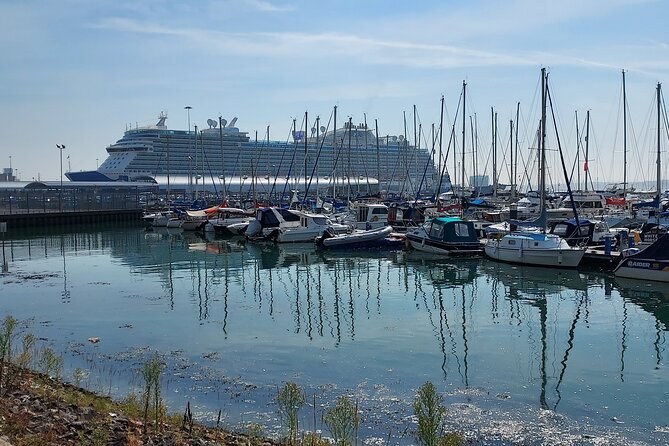
Southampton has no dry season and no extreme one. What actually swings a visit here is not the weather but the cruise calendar, which empties the city in January and fills it in July. This picks a month on Met Office 1991–2020 figures for Southampton, Mayflower Park, and says what each one costs you. Which of the cotswolds tours from Southampton run in a given month barely changes; how full they are changes a great deal.
The short answer
May, if you want the best trade. It is the driest month of the year at 47 mm, carries 215 hours of sunshine, records no air frost at all, and the port is busy without being full. July is warmer and sunnier and considerably more crowded.
If crowds matter more to you than temperature, take March or October: half the sunshine, a fraction of the ships, and the same walls, museums and stones.
The twelve months, in numbers
| Month | High | Low | Sun | Rain | Wet days |
|---|---|---|---|---|---|
| January | 8.8°C | 3.2°C | 63 h | 89 mm | 12.5 |
| February | 9.1°C | 3.0°C | 83 h | 64 mm | 10.1 |
| March | 11.5°C | 4.3°C | 125 h | 56 mm | 9.7 |
| April | 14.7°C | 6.1°C | 182 h | 52 mm | 9.5 |
| May | 18.0°C | 9.2°C | 215 h | 47 mm | 7.7 |
| June | 20.6°C | 12.0°C | 212 h | 57 mm | 7.8 |
| July | 22.6°C | 13.9°C | 224 h | 44 mm | 7.7 |
| August | 22.5°C | 14.0°C | 206 h | 59 mm | 8.5 |
| September | 20.1°C | 11.6°C | 152 h | 60 mm | 8.9 |
| October | 15.9°C | 9.2°C | 113 h | 93 mm | 11.8 |
| November | 12.0°C | 5.7°C | 76 h | 100 mm | 12.8 |
| December | 9.3°C | 3.5°C | 55 h | 97 mm | 12.7 |
Why the rain matters less than you expect
Southampton takes about 819 mm a year across roughly 120 days with a millimetre or more, and no month falls below 44 mm. That sounds discouraging and mostly is not: it is spread thinly rather than concentrated, and both walking tours run rain or shine.
What rain genuinely costs you is the coach days, and only in what you can photograph. The stops still happen. Take a waterproof, take shoes you can walk cobbles in, and stop worrying about it.
Is it colder at Stonehenge than in the city?
Reliably, and this is the practical bit. The stones stand on open chalk downland forty miles west with no shelter of any kind, and the wind makes it feel colder again. Dress for the plain rather than for the quayside if your day includes both.
One traveller on a private transfer describes being caught by a downpour at the stones and changing into dry clothes in the van before the airport, which is a thing a coach cannot offer. In February that is not a small advantage.
What the cruise season does to the city
More than the weather does. This is Europe's leading turnaround cruise port, handling more than 500 calls and three million passengers a year, and those are not spread evenly. Summer Saturdays put several thousand people through the same dock gates within a few hours of each other.
The consequences are practical. Taxis on the Western Docks road are scarce on a busy turnaround morning, the small-group coaches sell out earlier, and the Stonehenge time slots go first. In November none of that applies.
Which month should you actually pick?
| If you want | Take | Because |
|---|---|---|
| The best overall trade | May | Driest month, 215 hours of sun, no frost, port not yet full |
| Warmth and long evenings | June or July | Up to 22.6°C and 224 hours of sunshine |
| Quiet and cheap | November or February | Fewest ships; museums and walls unchanged |
| A shoulder compromise | March or October | Mild, moderate rain, far fewer people |
| To avoid the crowds entirely | January | Coldest and quietest; 63 hours of sun |
What changes with the season, and what does not
- Stonehenge hours. 9.30am to 6pm from late March to early September with last entry at 4pm; 9.30am to 5pm the rest of the year with last entry at 3pm.
- Daylight. Long enough in June for an evening ashore; in December an afternoon tour returns you in the dark.
- Museums. Unchanged all year. SeaCity opens daily 10am to 5pm and Tudor House keeps the same hours, closed Fridays, in every month.
- The walls. Free and open at any hour, in any weather, in any month.
- Holiday pricing. Three transfer operators quote separate prices for 24, 25, 26 and 31 December and 1 January.
Summer: the case for and against
For: July averages 22.6°C and 224 hours of sunshine against 44 mm of rain, which is as good as English weather gets. Evenings are long enough that a late walk still finishes in daylight, and everything runs at full frequency.
Against: it is the fullest the port gets. Stonehenge time slots go early, the ten-passenger Cotswolds coach sells out, and school holidays put pressure on both museums. Book earlier than you think you need to.
Winter: the case for and against
For: the city is genuinely quiet, the museums have room in them, and the private cars are easy to book at short notice. The walls look better in low winter light than they do in July haze.
Against: 55 hours of sunshine in December, nearly seven days of air frost, and last entry at Stonehenge falls at 3pm. An afternoon tour will end in the dark, and the plain is raw. That is a real trade rather than a reason to stay away.
Does the sea make it milder than the rest of England?
Yes, measurably. Southampton sits at the head of a tidal estuary on the south coast, and the water moderates both ends of the year: 8.8°C in January and 22.6°C in July are a narrower spread than inland England manages, and air frost averages only about twenty-six days across the whole year.
That matters for a port day in two ways. Winter here is rarely severe enough to stop you walking, and summer stays comfortable for a long day on foot. The place that does not share that moderation is Salisbury Plain, forty miles inland and forty metres higher.
Which month has the best light for photographs?
May and September, for the same reason: strong sun at a low enough angle to model the stonework rather than flatten it. May carries 215 hours of sunshine and September 152, and both avoid the high overhead light of midsummer.
For the walls specifically, the western stretch on Western Esplanade faces the water and takes afternoon light, so late in the day is better there. For Stonehenge, early is better in every month, because that is when the site is quietest as well as when the shadows are longest.
Booking ahead: how far, by season
| Season | Walking tours | Coaches and private cars |
|---|---|---|
| June to August | A week | Two to three weeks |
| April, May, September | A few days | A week or more |
| October to March | A day or two | A few days |
Three of the coach days carry a likely-to-sell-out flag, and the ten-passenger Cotswolds run is the first to go. Everything listed refunds in full up to twenty-four hours ahead, so booking early in the season costs you nothing but a decision.
What is happening in the city, by season?
Southampton is a working city rather than a resort, so the calendar that matters is the port's rather than a festival programme. Turnaround Saturdays from April to October are when the place fills, and the difference between one of those and a Tuesday in February is the difference between two entirely different cities.
Practically, that shows up in three places. Taxis on the Western Docks road are scarce on a busy morning and plentiful in winter. The two museums are quiet on a weekday out of season and busy on a school-holiday afternoon. And the small-group coaches, capped at ten travellers, sell out weeks ahead in July and days ahead in November.
None of it changes what there is to see. The walls, the memorials and the two museums are the same in every month, and the walls in particular look better in the low light of February than they do in August haze.
Does the sailing time change what you should book?
More than the month does. A ship that sails at five gives you a very different day from one that sails at ten in the evening, and in June the second of those includes several hours of usable daylight after most people have gone back aboard.
In December the same evening departure gives you nothing extra, because it is dark by half past four. That is the one genuine seasonal constraint on a port day here, and it argues for putting the outdoor half of your plan in the morning between November and February.
Is there a bad month?
Not really, and that is the useful conclusion. Nothing here closes seasonally, the two museums keep the same hours all year, and the walls are free in any weather. The only month that genuinely shortens what you can do is December, and it does it with daylight rather than rain.
Pick on crowds if you have a choice and on daylight if you do not. The full month-by-month detail sits on the weather page, and every fare that runs in whichever month you land on is compared on Southampton Tours.
Frequently asked questions
What is the best month to visit Southampton?
Is Southampton very wet?
Do tours run in winter?
When is the port busiest?
Does the weather ever cancel a tour?
Is it worth coming in December?
Days that run in any month
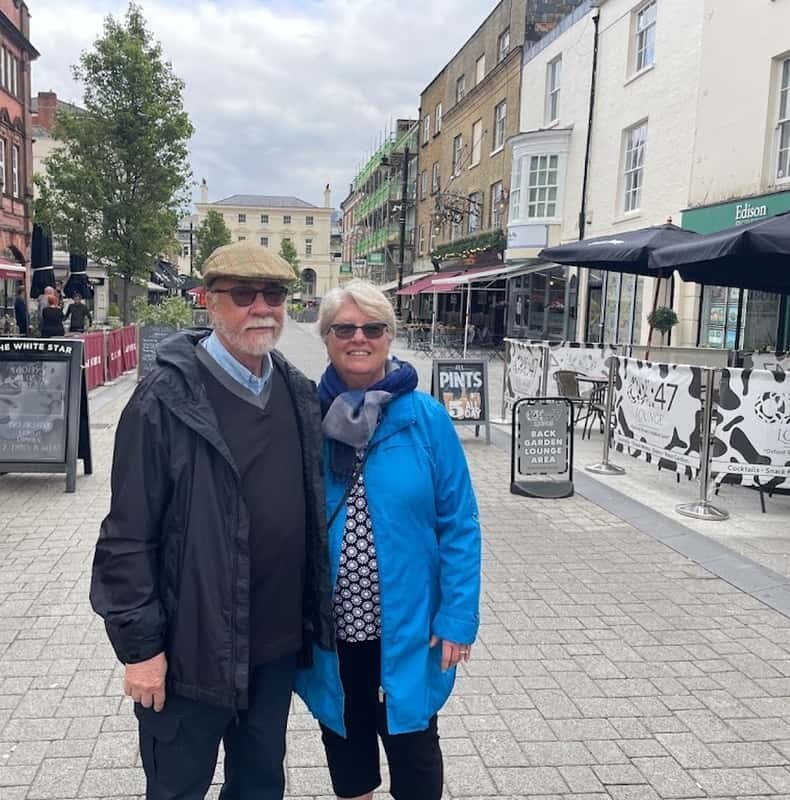
Southampton: Secrets of the Titanic Guided Walking Tour
Eleven Titanic stops in two hours on foot, for the price of a round of drinks.
From $21 per person
Check Availability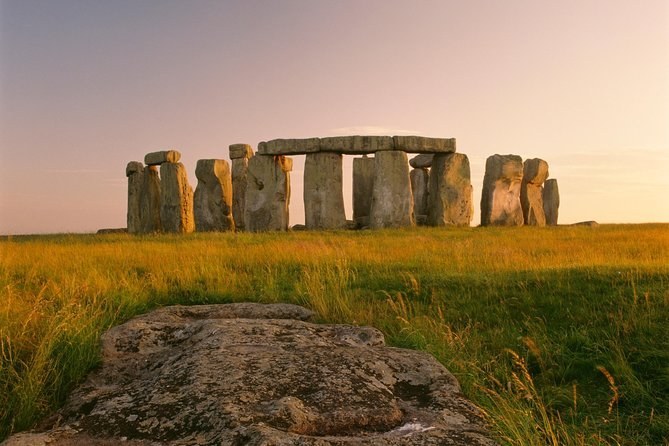
Southampton: Post-Cruise Tour to London via Salisbury, Stonehenge and Windsor
Salisbury, Stonehenge and Windsor between the ship and your London hotel, both entries included.
From $237 per person
Check Availability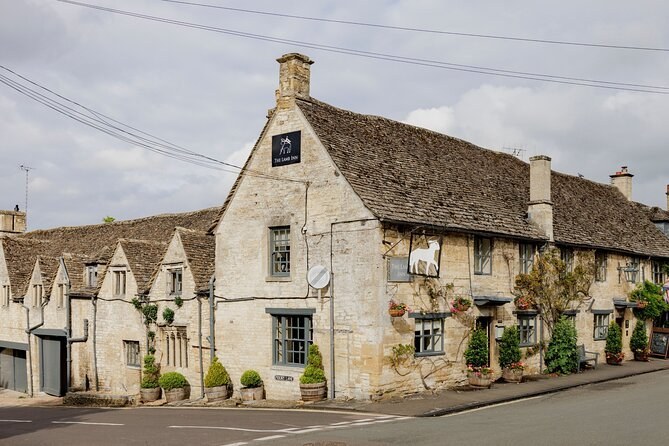
Southampton to London via Cotswold Villages, Oxford & Pub Lunch
Ten and a half hours through the Cotswolds and Oxford with the cruise luggage aboard.
From $272 per person
Check Availability