Facts About Southampton That Will Surprise You
The short answer
The tide here comes in twice, and not for the reason everyone tells you. Four in five of Titanic's crew died and not one engineer officer survived. The Spitfire was designed on a river most visitors never see. Half a medieval town wall is still standing behind the shops. Three million cruise passengers a year pass through without learning any of it, and the guided tours of Southampton exist to fix that.
1. The tide comes in twice, and the Isle of Wight is not why
Southampton gets a double high water — a long stand of high tide rather than a single peak — and it is the reason a deep-water port grew here rather than somewhere else. Ships could come and go for far longer than a normal tidal cycle allows.
Every guidebook attributes it to the Isle of Wight giving the Solent two entrances. The port's own hydrographers say plainly that this is not the cause. It comes from four extra daily oscillations set up in the water between Portland, Cherbourg, Littlehampton and Le Havre, working against the ordinary twice-daily rhythm.
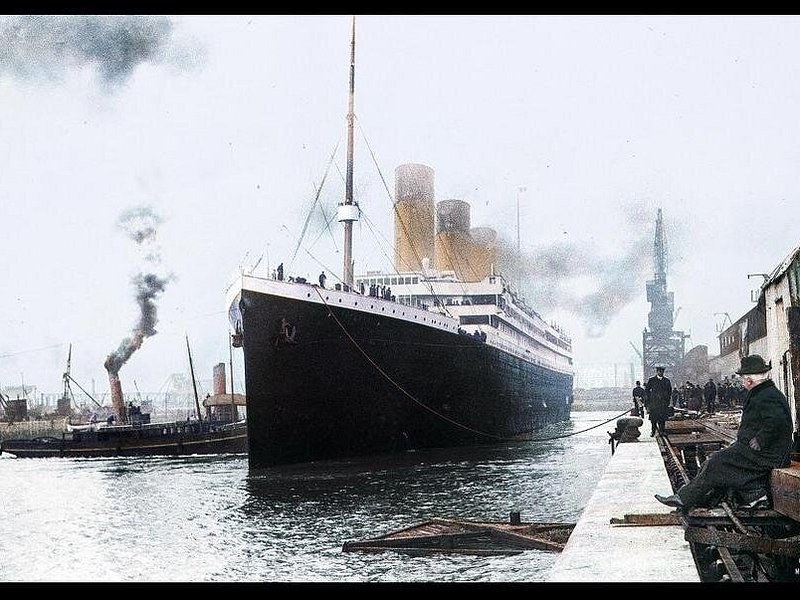
2. Not one of Titanic's engineer officers survived
Four out of five of the whole crew were lost. Among the engineers the figure is absolute: Southampton City Libraries' own crew list runs every engineer officer under the heading Lost, with a single name transferred off the ship before she sailed.
They stayed below to keep the lights and the pumps running. The memorial they were given in Andrews Park two years later carries the reason in its inscription: that they showed their high conception of duty by remaining at their posts on 15 April 1912.
3. Three crewmen missed the ship because they were in the pub
The Slade brothers were drinking in The Grapes on sailing day and did not make it back aboard in time. They appear on the crew list under Deserted rather than Lost.
The Grapes is still a working pub on the same street, and the guided Titanic walk ends with ten per cent off there and twenty per cent at The White Star Pub. It is the only booking here that buys you a discount in a bar.
4. The Spitfire was designed here
Supermarine's works stood at Woolston on the east bank of the Itchen, and the Spitfire first flew from Eastleigh aerodrome — now Southampton Airport — on 5 March 1936. The works were bombed out in 1940 and never rebuilt on that site.
It is the piece of the city's history with the least to show for itself. There is a monument; there is no factory. The full sequence is on the history page.
5. Half a medieval town wall is hiding behind the shops
The circuit ran 2,200 yards with twenty-nine towers and eight gates. Thirteen towers and six gates survive and about half the wall is still standing, most of it along Western Esplanade where it once faced the sea.
6. The Mayflower left from here, not from Plymouth
The Mayflower and the Speedwell sailed from Southampton's West Quay on 15 August 1620. The Speedwell leaked. Both ships put back into Dartmouth, then Plymouth, and the Mayflower finally crossed alone from there — which is the sailing everybody remembers.
Southampton marked its own claim in 1913 with the Pilgrim Fathers Memorial on Western Esplanade, a stone column under a domed cupola with a bronze ship on top. It is Grade II listed and it takes five minutes to look at.
7. A bombed church is the Merchant Navy's memorial
Holyrood Church burnt out in an air raid in November 1940 and was never rebuilt. The tower and the medieval chancel survived, and the rest is open to the sky in the middle of the modern High Street.
Rather than restore it, the city rededicated it to the Merchant Navy, in which a very large number of Southampton people died. There is a Titanic crew memorial inside. It is free and it is the most affecting five minutes in the city.
8. This is Europe's leading turnaround cruise port
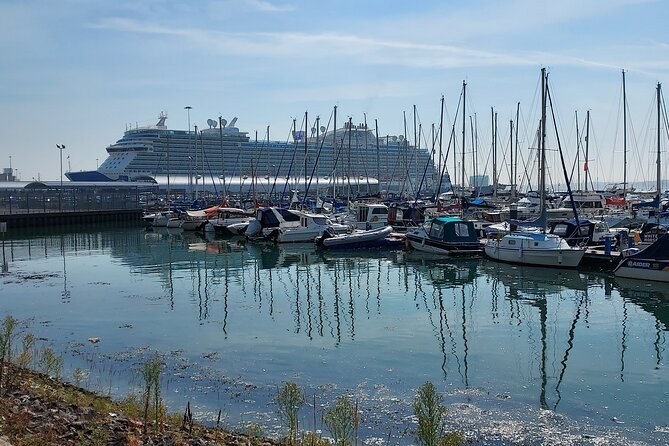
Not a port of call — a turnaround port, where cruises begin and end. The port operator reports more than 500 cruise calls and three million passengers a year across five terminals, and Southampton was voted Best Port at the 2024 Cruise Critic Awards.
That is why nearly every tour sold here is shaped by a deadline. Which terminal you get, and what it does to your day, is set out on the cruise port page.
9. It rains in every single month
| Month | Figure | |
|---|---|---|
| Wettest | November | 100 mm across 12.8 days |
| Driest | July | 44 mm |
| Sunniest | July | 224 hours |
| Least sun | December | 55 hours |
| Year | — | 819 mm over about 120 wet days |
No month gets less than 44 mm. That is the practical fact behind every packing list on the weather page: there is no season here in which you can leave the coat behind.
10. Stonehenge has no single ticket price
Forty miles west of the docks, and English Heritage sells it as a timed ticket in three tiers — Standard, Saver and Super Saver — with later slots often cheaper and up to fifteen per cent off for booking online. There is no one adult price to quote.
Which is why the tours differ so much in real cost: some include the ticket and some leave it to you. That comparison is the whole of the Stonehenge guide.
11. The town walls were built through people's houses
The arcaded stretch on Western Esplanade was not built on open ground. It was made by walling up the fronts of merchants' houses that had opened directly onto the beach, so the defence went through the town rather than around it.
That is why the wall there has arches, doorways and windows in odd places. You are looking at the front rooms of 14th-century houses, converted into a fortification by order and at speed, and it is the most human piece of military architecture in the city.
12. Bugle Street is older than most of what surrounds it
Tudor House sits on it, timbered and with a garden, and it is the oldest museum in the city at £10.00 for an adult with a year's re-entry. The street around it is the best surviving piece of the walled town's interior.
The rest of the old town was rebuilt after the war, which is what makes the fragments so easy to walk past. They are listed with costs and times on the highlights page.
13. Windsor Castle shuts on days most people book
Only one tour from here reaches Windsor, and Windsor Castle runs general admission Thursday to Monday. On most Tuesdays and Wednesdays the coach tours the town instead, which is a genuinely different day for the same fare.
The operator names four specific Tuesdays in the summer when entry is back on. If Windsor is the reason you are booking, check the date against the Royal Collection Trust before you pay rather than after. The rest of the coach itinerary — Salisbury and Stonehenge with entry included — is unaffected either way.
None of this is on a plaque at the terminal gate. The guided walks that cover most of it in ninety minutes to two hours are compared on Southampton Tours, and they cost less than lunch.
Days with a guide who can point at all this
Private Walking Tour of Southampton
The highest-rated walk here, led by a historian, at whatever pace suits you.
From $30 per person
Check Availability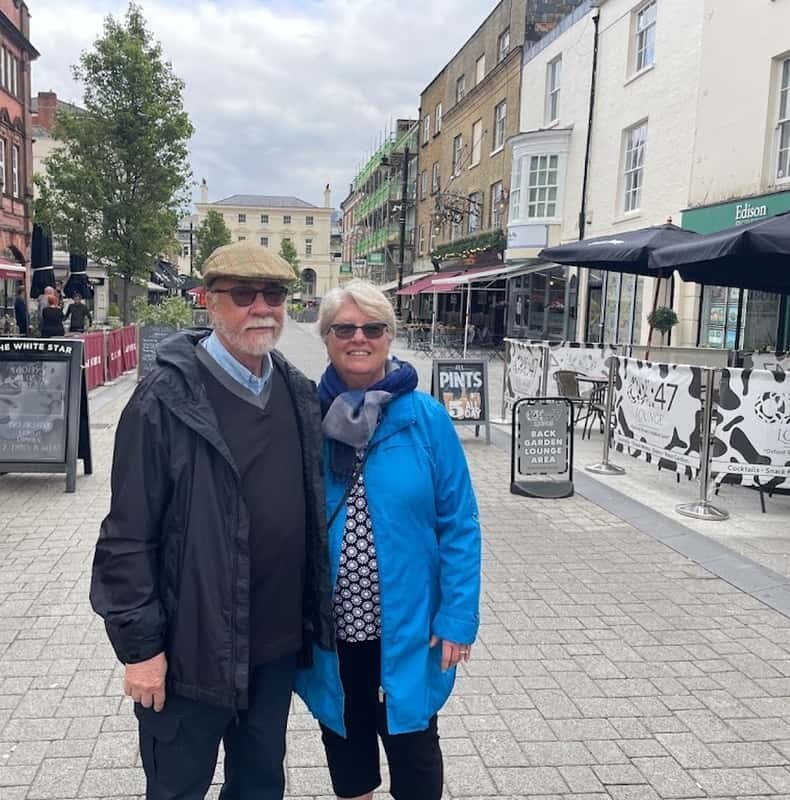
Southampton: Secrets of the Titanic Guided Walking Tour
Eleven Titanic stops in two hours on foot, for the price of a round of drinks.
From $21 per person
Check Availability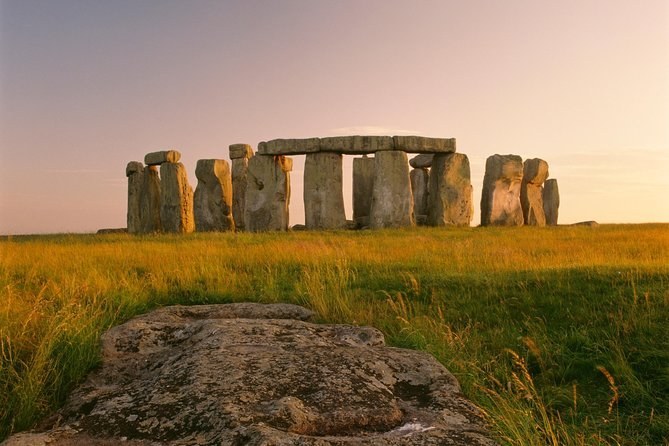
Southampton: Post-Cruise Tour to London via Salisbury, Stonehenge and Windsor
Salisbury, Stonehenge and Windsor between the ship and your London hotel, both entries included.
From $237 per person
Check Availability